Understanding the Core Concept of Delay
In our fast-paced world, few concepts are as universally understood, yet as multifaceted, as "delay." From the moment we wake up to a delayed alarm to waiting for a download to complete, experiencing a delay is an inescapable part of life. But what exactly is the delay meaning, and how does this seemingly simple word encompass such a wide range of situations and applications? At its heart, delay signifies a postponement, a deceleration, or a period of waiting that causes something to happen later than planned, expected, or desired.
Fundamentally, delay can manifest in several key ways, each shaping our understanding delay in context:
- Postponement or Deferral: This is perhaps the most common interpretation. It refers to the act of putting off an event, decision, or action to a later time. Think of a flight rescheduled due to a snowstorm, a project deadline extended, or a personal decision to delay retirement.
- Hinderance or Impediment: In this context, delay describes an obstacle that slows down progress, causing something to take more time than anticipated. Traffic congestion can significantly delay morning commutes, or bad weather might impede construction work on a new bridge.
- A Time Interval or Lag: Delay can also refer to the specific period of time that elapses between an intended action and its actual occurrence, or between two related events. The subtle lag between pressing a camera shutter button and the photo being taken, or the brief pause before an echo returns, illustrates this technical interpretation.
- The Act of Procrastination: When we choose to put off an action ourselves, despite knowing we should proceed, we are engaging in the act of delaying, often referred to as procrastination. This personal choice reflects a form of self-imposed delay.
- The State of Being Delayed: This refers to the condition of being held back or detained. For example, a train experiencing a two-hour delay due to technical issues is in a state of detainment.
These varied interpretations highlight that the delay meaning is not monolithic; it shifts and adapts based on the scenario.
Delay in Action: From Daily Life to Specialized Fields
The ubiquity of delay means its presence is felt across virtually every domain. Understanding the nuances of delay meaning often depends on the specific context in which it occurs.
Everyday Delays: The Unavoidable Interruptions
For most of us, delays are daily occurrences that test our patience and planning. These disruptions are often outside our direct control:
- Travel and Commutes: Flight delays, train delays, and traffic jams are infamous for disrupting schedules and causing frustration. These are frequently due to unforeseen circumstances like adverse weather, technical malfunctions, or sheer congestion.
- Work and Projects: Project deadlines are frequently subject to delays due to resource limitations, unexpected problems, changes in scope, or dependencies on other tasks. This necessitates careful project management, robust communication, and contingency planning to mitigate their impact.
- Personal Choices and Events: People often delay significant life choices, such as buying a house, having children, or even retirement, for various personal, financial, or circumstantial reasons. Similarly, social events might be delayed until all guests can attend.
Technical and Artistic Delays: Precision and Creativity
Beyond everyday interruptions, delay takes on precise meanings and critical applications in specialized fields:
- Technology and Computing: In digital systems, "delay" often refers to latency or lag—the time gap between an input and an output. Network delays, processing delays, or the slight delay in data transmission are critical considerations for performance in everything from online gaming to financial transactions. For instance, a noticeable delay in a live video call can significantly impede effective communication.
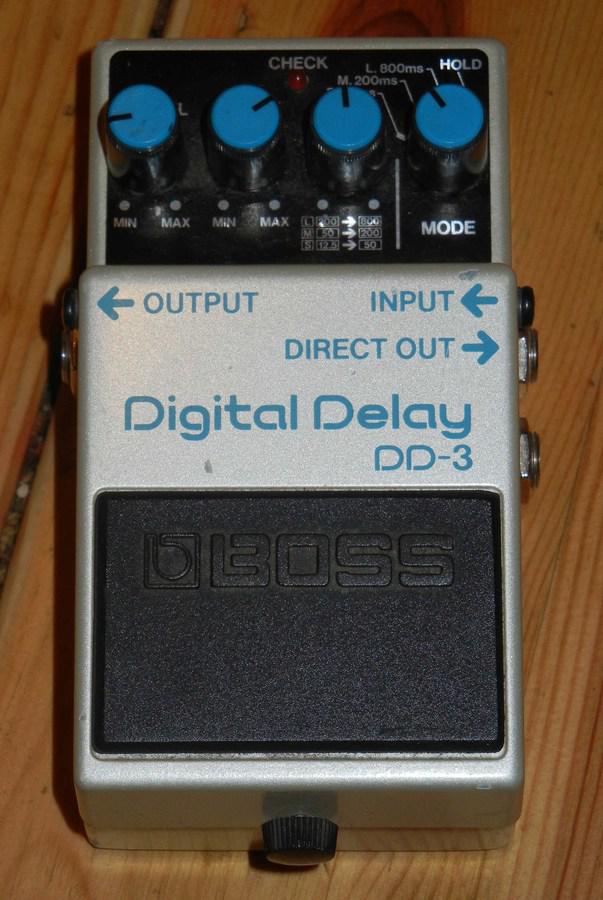
- Music and Audio Production: Here, a "delay" is a specific audio effect unit that repeats a sound after a short pause, creating echoes, slap-back effects, or a sense of spaciousness. Guitarists use delay pedals to add depth and texture to their solos, transforming simple notes into complex, layered soundscapes. This artistic application leverages delay to enhance, rather than hinder, the experience.
- Sports and Gaming: In competitive settings like chess, "delay" can refer to a specific time control where a player receives a certain amount of time on each move before their main clock starts ticking, allowing a brief period for reflection without penalty. In online gaming, "lag" (a form of delay) can be the difference between victory and defeat, critically impacting player experience and fairness.
These examples highlight how the fundamental concept of "making something happen later" adapts to serve vastly different purposes, from critical system performance to creative expression. For more detailed insights into its varied roles, explore Delay Explained: From Hinderance to Postponement in Daily Life.
The Psychology and Practicalities of Delay
Understanding the delay meaning also requires examining the human element and its practical implications.
The Human Factor: Procrastination and Strategic Deferral
When delay stems from our own actions, it often falls under the umbrella of procrastination. This isn't merely laziness but can be a complex interplay of psychological factors:
- Fear of Failure or Success: Delaying a task to avoid potential mistakes, or even to avoid the increased expectations that might come with success.
- Perfectionism: Waiting until conditions are "perfect" to start, often leading to indefinite delays as perfect conditions rarely materialize.
- Lack of Motivation or Overwhelm: Putting off tasks that are perceived as unpleasant, too difficult, or overwhelmingly large.
- Instant Gratification: Choosing immediate pleasure (e.g., browsing social media) over a future reward (e.g., finishing an important report).
On the other hand, delaying a decision can sometimes be a strategic and beneficial move. It allows for more information gathering, careful consideration of all options, consultation with others, or the emergence of better alternatives. Knowing when to act swiftly and when to strategically defer is a critical skill in both personal and professional life.
The Ripple Effect: Consequences of Delay
Delays, especially unexpected ones, can have significant and far-reaching consequences:
- Financial Costs: Project overruns, missed contractual deadlines, rebooking travel, or paying late fees can lead to substantial financial losses for individuals and organizations.
- Reputational Damage: Consistent delays in delivery or service can erode trust, damage credibility, and negatively impact a company's or individual's reputation.
- Increased Stress and Anxiety: Waiting for something important to happen, or rushing to catch up after an unexpected delay, can take a significant toll on mental well-being, leading to stress, frustration, and burnout.
- Missed Opportunities: Sometimes, a delay can mean missing a critical window of opportunity—a job application deadline, a market trend, or a crucial investment—that may not return.
Mitigating and Managing Delay
Given the pervasive nature and potential downsides of delay, developing strategies to mitigate and manage it is essential for efficiency, productivity, and peace of mind.
Proactive Prevention: Minimizing Unwanted Delays
- Thorough Planning and Foresight: For projects or events, anticipating potential roadblocks, identifying dependencies, and building in realistic buffer time can prevent many delays before they occur.
- Clear and Consistent Communication: Establishing transparent communication channels and keeping all stakeholders informed about progress, potential issues, and revised timelines can manage expectations and reduce frustration when delays are unavoidable.
- Effective Resource Management: Ensuring adequate resources (staff, materials, budget, time) are accurately assessed and allocated from the outset helps avoid bottlenecks and shortages that can lead to significant delays.
- Contingency Planning: Having backup plans or "Plan B" scenarios for common issues (e.g., bad weather, technical glitches, supplier issues) can help you pivot without significant disruption when the unexpected happens.
Reactive Management: Dealing with the Inevitable
When delays do occur, effective management is key to minimizing their impact and getting back on track:
- Immediate Prioritization: Quickly identify which tasks or components are most critical and focus on getting them back on track first. Triage the situation to address the most impactful aspects.
- Transparent Updates: Regularly and honestly inform affected parties about the status of the delay, its estimated duration, the reasons behind it, and what steps are being taken to resolve it. Honesty fosters trust, even in difficult situations.
- Adaptability and Flexibility: Be prepared to adjust original plans, reallocate resources, or find alternative solutions on the fly. Rigid adherence to an outdated plan will only prolong the delay.
- Learning from Experience: After a delay is resolved, conduct a post-mortem or review to understand its root causes. Document lessons learned and implement measures to prevent similar occurrences or improve future responses.
While sometimes unavoidable, understanding the different facets of delay meaning empowers us to better predict, prevent, and respond to these interruptions, turning potential setbacks into manageable challenges.
Conclusion
The word "delay" is far more than a simple descriptor for tardiness; it's a dynamic concept reflecting a myriad of scenarios, from frustrating postponements in our daily routines to intricate technical processes and profound artistic expressions. Whether we're examining its core definition as a deferral, an impediment, a precise time interval, or a psychological phenomenon, its essence lies in something happening later than initially intended. Recognizing the different dimensions of delay meaning helps us navigate its practical implications, from mitigating its negative impacts through meticulous planning and transparent communication to appreciating its role in shaping artistic outcomes or facilitating more thoughtful decision-making. In a world that often demands instantaneity, understanding the nature of delay allows us to respond with greater resilience, strategic foresight, and sometimes, even a moment of reflective pause.